Important Things To Know About STDS

Cases of sexually transmitted diseases, or STDs, are increasing every year. These are serious diseases that people can catch after intimate activities, such as sex, with another person. These are common among teens that want a jump start in what it means to be an adult.

If you are a teenager or young adult, it is important to know how you can avoid the risk of giving and receiving STDs, so it’s important to be aware what they are capable of and how serious they can effect one’s life.

STDs include the following:

  • HIV and AIDS
  • Gonorrhea
  • Chlamydia
  • Genital Herpes
  • Trichomoniasis
  • Hepatitis B
  • Syphilis

and Pelvic Inflammatory Disease

These are all serious conditions that can range from inflammation to parts of the body to eventual death of the recipient. Look up each condition to review their common STD symptoms so you can anticipate what would come to you or another person you may know.

Sexually transmitted diseases do not mean these are diseases that exclusively come from sexual intercourse. Many cases of STD originate from contact with an inflammation or infected part of the body, usually on the skin.

STDs are hard to identify on a person. In fact, it could be a while before a person finds out that they have an STD, and they could transfer their STD to their partner without ever knowing about it.

There are three different ways a young teenager can be at risk of getting an STD, and they are the following:

Sex at a young age.

The younger a person’s age, the more likely they are developing an STD. Younger people tend to not have or want the resources to learn about treating or preventing STDs, or decide to not take any abstinence tests to get educated on the risks of STDs.

Multiple partners.

If a person has sex with many different men or women, they are more likely to spread and/or receive an STD. One or two of the people one may have sex with could be carrying malicious bacteria or infections on the skin, which would increase the risk of STDs. This does not just apply to teenagers, but older adults as well.

No protected sex.

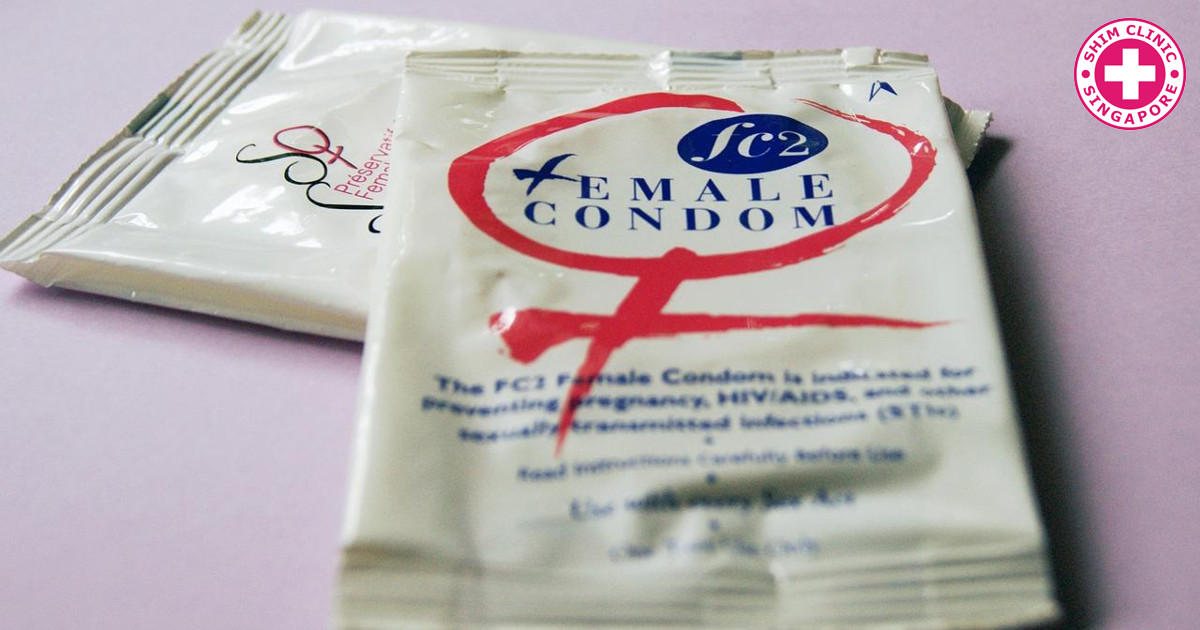
You probably will not know if you send or receive STDs from your partner, so as insurance, couples should use latex condoms to reduce their risk. You may have heard of methods to prevent a woman from getting pregnant, but condoms are the only method of filtering disease from entering another body.

It is a lot easier to prevent STDs than they are to be treated. Not having sexual activity is the only surefire way to avoid getting an STD.

This is called abstinence. If one insists on having sexual activity, condoms are necessary to reduce the chances of catching an STD.

It is also recommended to avoid alcoholic beverages. You may try to be careful not to have sex, but people under the influence likely wouldn’t be able to control their actions.

If you or your partner thinks they have an STD through common STD symptoms, contact a doctor right away to be examined. If you don’t want to reveal anything to our family doctor, than a local clinic would be able to inspect you or your partner.

You may see signs of STDs while you might think of them as symptoms like an inflammation of the lips, but they could turn out to be false alarms. A doctor can always tell if they are signs of STDs or not, so it’s never a bad thing to have them take a look.
Combat Erectile Dysfunction with these simple steps!

Erectile dysfunction (ED) is when a person has trouble achieving and maintaining an erection, while having sex. This occurs mainly due to poor blood circulation or other physical conditions like fatigue. Almost all men experience ED in some point in their lives, but it can result in to a major problem if left untreated.

It may cause low self-esteem and relationship problems if left untreated. However, ED can be treated and cured, following some simple steps, such that it never occurs again.

Some of the basic steps one can take to treat ED are as follows:

  1. Increase level of physical activity. Poor blood circulation owing to sedentary lifestyle is one of the major causes of ED. You can improve your level of blood circulation by exercising every day. This will reduce chances of acquiring ED drastically. Studies show that even walking for 30 minutes a day will reduce chances of being affected by ED by 40%.
  2. Individuals should maintain a healthy diet. Eating nutritional food at properly regulated intervals will help regulate and maintain sexual health.
  3. Saturated fats, fried food, and processed sugar should be avoided as they will clog your arteries, which may lead to ED. Eating more vegetables and fruits will keep your cholesterol low, and improve blood circulation.
  4. Strengthen your pelvic muscles: These muscles help to retain blood in the penis during erection. Weak pelvic muscles allow this blood to escape, resulting in Erectile Dysfunction. You can strengthen these muscles with a few basic routines or exercise suggested by your physician. E.g. Kegel Exercise
  5. Quit smoking: Smoking results in poor blood circulation, and makes it difficult to get and maintain an erection. Quitting this nasty habit will improve blood flow and improve overall health.

These are a few simple life hacks an individual can use to get rid of ED, and its occurrence.

Treating ED medically:

  1. Schedule a visit to the doctor: There could be several reasons why you have been afflicted with ED and the doctor will help you narrow down possible reasons by performing a quick and thorough check-up, at the clinic.
  2. Prescribing medication to treat ED: The doctor may prescribe medication to help you combat this disease. Some of the common medication to treat this disorder could be Viagra, Stendra etc.
  3. In some men, low testosterone could be a reason for ED. Replacing and receiving external testosterone through hormone therapy could be another remedy for those with low testosterone.

There are many other methods which can be used to treat ED. Sometimes ED is more of a mental battle and affects individuals with low self-esteem. Many therapists advise people to stop thinking and dwelling on the problem much. For many men, it is a once in a blue moon occurrence and should be brushed away as such.

Try to be more intimate with your partner and try to take sex slowly instead of rushing through it.

If you have additional questions of how to deal with ED, and need further assistance, feel free to contact the local physician and he/she will be glad to reach out to you with a solution.

Causes of Erectile Dysfunction

Erectile dysfunction is the inability of a man to maintain an erection. It can either be that the erection is not firm enough for having intercourse or it can be the fact that the erection can’t be maintained for a sufficient amount of time and the man is unable to ejaculate. Erectile dysfunction or ED was also called impotence but the current name is more adequate for the disorder it describes.

At some point or another in life almost all men are very likely to experience such erectile problems. They are nothing to worry about if they happen rarely because they might be caused by external factors like exposure to stress or fatigue. ED is only considered a medical problem if a man experiences difficulties in more than half of his attempts to have intercourse.

Erectile dysfunction can cause innumerable problems in a couple and can really affect the relationship between two people. The one experiencing such problems needs to receive utmost support of his partner and also needs to be understood and treated seriously. This is especially required when the major cause for erectile dysfunction is due to psychological problems such as the feeling that the partner is no longer attracted to you or other negative feelings. Lack of support can aggravate the problem.

Erectile dysfunction is a dreaded condition faced by many unfortunate men. Not only is he unable to fully enjoy sex himself, he is also unable to provide sexual gratification to his partner. One can seek Erectile Dysfunction Help in Singapore, but before that know the causes:

Depression: Depression not only reduces your interest in sex, it severely affects your ability to perform during sexual intercourse. Depression produces a biochemical component that makes it difficult to develop and sustain an erection. Not being able to perform well or up to expectation in bed can worsen the depression in men and in turn can propagate the erectile dysfunction problem. It is a vicious cycle.

High blood pressure: Good blood circulation to the penis is important to develop and sustain an erection. If you suffer from high blood pressure, it probably means that the blood vessels are damaged in the body making them less able to transport the required volume of blood to the penis quick enough for an erection to take place. Making healthy lifestyle changes such as eating more healthily and getting more exercise can help to lower your blood pressure so that you can enjoy your life further.

Cycling: Long distance biking has been proven to increase your risk of erectile dysfunction. Sitting for a prolonged duration on a bike exerts pressure on the nerves and arteries that transport blood to the penis. These arteries may become damaged over time resulting in hampered blood flow to the penis which causes the dreaded condition.

Drugs for hair loss: Certain medication for treating hair loss may produce undesirable side effects including erectile dysfunction and loss of sexual drive in men. These drugs cause reduced level of testosterone which is the male sex hormone responsible for maintaining a healthy sex drive. This hormonal change in the body may lead to the inability to develop an erection in men.

The other major reasons are advancing age, heart disease, diabetes, cigarette smoking and alcohol. Over masturbation can also cause several sexual problems and erectile dysfunction is one of them. So, consulting the concerned doctor is advisable in order to improve people’s sexual health.

Uses and Functions of STD clinics

Sexual health clinics specialize in the prevention and treatment of sexually transmitted infections. Sexual health clinics also known as STD (sexually transmitted disease) clinics perform a variety of operations. However, they are a source of birth control help and some clinics offer reproductive services.

Some of the services offered by STD clinics are as follows:

  • Information about safe sex, reproductive health concerns, birth control and general sex education.
  • They provide contraceptive aides and birth control pills to customers.
  • They also carry out tests and exams to determine if a person has been infected or carries STDs.
  • And they provide medicine and antibiotics to cure syphilis, chlamydia and gonorrhoea as well.

Once an STD has been detected, STD clinics take firm steps to counter the disease. They provide medication and vaccinations for the benefit of STD affected patients.

Further support services offered by STD clinics include:

  • For people who are illiterate and do not understand the severity of STDs and its effects, clinics also provide counselling and education.
  • STD Clinics also carry out tests to determine pregnancy, although they tend not to get involved with birth abortions.
  • Smaller STD clinics can also be contacted for referrals to larger clinics or hospitals.

As STDs are sensitive issues to patients, clinics try to be as discreet as possible, and may even inform the affected patients anonymously.

Public or non-profit organisations offer discounted fees to poor people or people who cannot afford treatment of their disease, and sometimes even treat the patients for free, depending on their ability to pay.

Although you won’t find many quacks in Singapore, it never harms to be extra careful. Do a thorough research of the clinic you wish to visit. Also, get in touch with the clinicians, if necessary. Ask for appointments, which would suit both you and the doctor. STD clinics often offer their services without appointments and if there is an emergency, you may have to rely on them.

With the consent of the patient, STD clinicians carry out various tests and exams to check whether a person is indeed infected. This may involve taking swab samples from the patients’ private parts. Many clinics allow the patient to choose a female or male clinician per their preference.

The clinician may inspect the patient’s:

  • Throat and lymph nodes of the neck for inflammation
  • Pubic hair for lice
  • Lymph nodes of the groin for swelling
  • The clinician may also ask for a small urine sample, given in private, to test for chlamydia and gonorrhoea.

The inspections and taking of samples don’t hurt, but swabbing the urethra and cervix, and a finger prick for the blood sample may cause the patient to feel slight discomfort.

Women will often receive a pelvic exam, both external and internal, but one that is usually less extensive than a reproductive health exam.

Medical Confidentiality: Medical confidentiality is an important part of the medical ethics of a Doctor–patient relationship. Sexual health clinics follow local standards of medical confidentiality to protect the privacy of patients.

If you are looking for an STD clinic in Singapore, you won’t have to look far as most of the clinics have operational websites online to cater to the modern patients’ reading habits.